
Korean Mandu Homemade Dumplings. So delicious and versatile, Korean Homemade Dumplings are fun to make and well worth the work! Korean Food: Homemade Dumplings!!

Korean Mandu Homemade Dumplings. So delicious and versatile, Korean Homemade Dumplings are fun to make and well worth the work! Korean Food: Homemade Dumplings!!
Continuing with my Korean food extravaganza. We made homemade mandu or Korean dumplings today. This is a very traditional food to make and eat around this time of the year, especially on New Year’s Day. It takes a little more time obviously to make these, but it is so worth it.

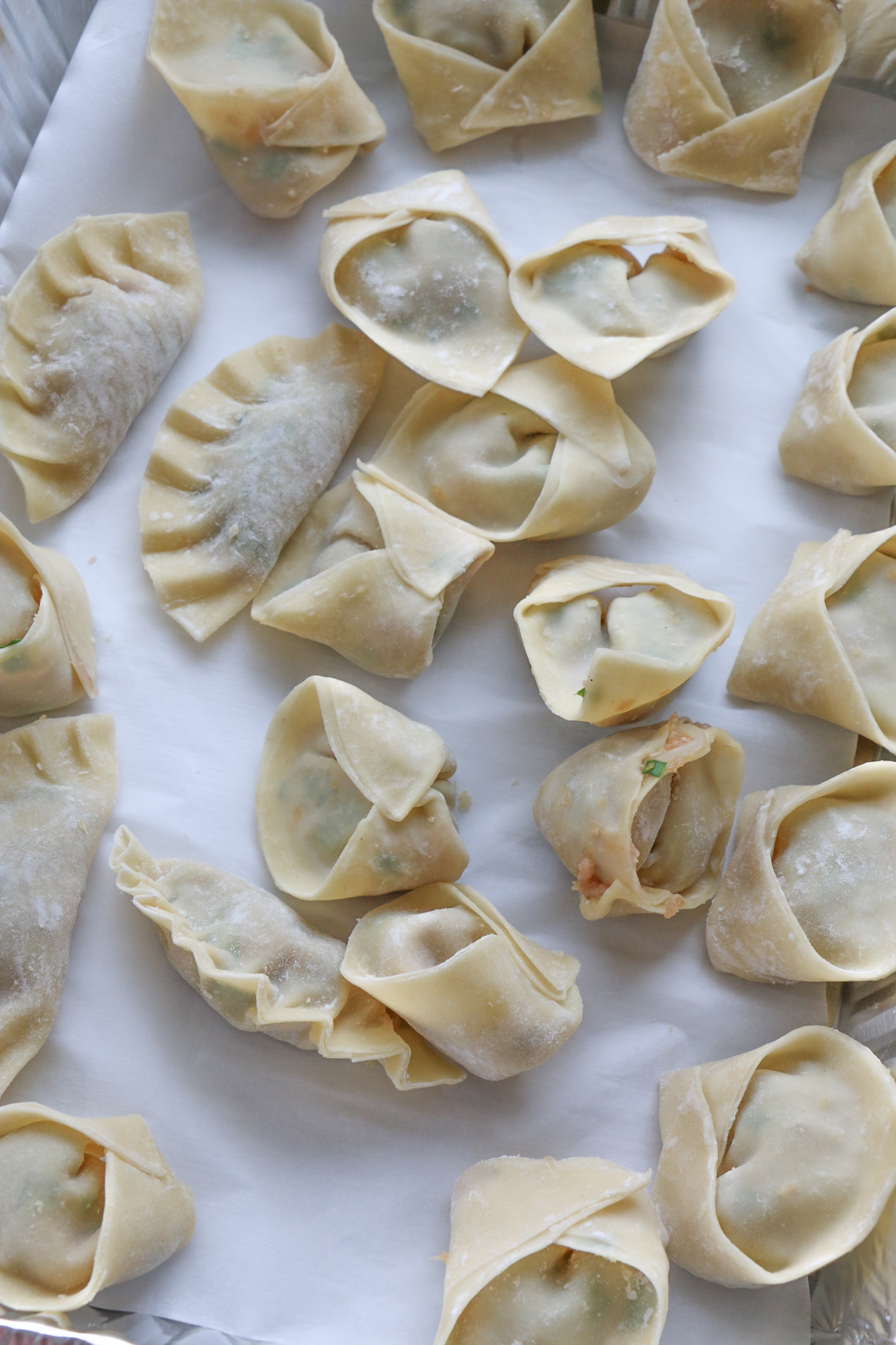
After my daughter’s involvement and excitement over learning to make Kimbap, I wasn’t expecting that much at all with the dumplings . . but she LOVED it! My daughter, Phoebe, is 5 and it was so cute to watch. Phoebe even got creative with the shape of her dumplings and tried to create different ways to close the wonton wrappers. After we boiled and pan fried them, she happily reached for the ones that SHE made and said, “I made this!” I absolutely LOVED this.
Korean Mandu Homemade Dumplings
Madeline, my 2 yr old, on the other hand – made a huge mess and tore more wonton wrappers (which made them un-useable) than we would have liked but this is to be expected when you let a 2 year old help out and join in on the fun but it was great fun!
Because the girls were eating these, we opted NOT to make the kimchi dumplings (which I LOVE). . but it’s ok, these were just as delicious. The girls like shrimp so we made dumplings with lean ground pork, shrimp, sweet potato glass noodles and Korean chives. We usually add some tofu too but you have to squeeze the hell out of it and neither my mother nor I felt like doing that today.
So, we ate some, froze some and will be eating these -once the rest of my family arrives here in Dallas- when we make Duk Mandoo Guk. (Photo down below; recipe can be found by clicking on the link.) This is the traditional dish to make for Korean households on New Year’s Day. It’s tradition.

I hope you enjoy!

Korean Mandu: Homemade Dumplings
Ingredients
- 2 lbs. lean ground pork
- 1 lb. uncooked shrimp peeled and chopped
- 6 oz. mung bean or sweet potato noodles soaked in very hot water and then chopped*
- 8 oz. Korean chives chopped
- 4 large eggs
- 2 to 3 cloves garlic finely chopped or minced
- 1 tablespoon sesame oil
- 1 to 2 tablespoons low sodium soy sauce
- 1 to 2 tablespoons kosher salt**
- 1 teaspoon black pepper
- 3 packages circular mandu wrappers or Japanese gyoza or Chinese wonton wrappers
- water needed when sealing the mandu
VARIATIONS ON THE MANDOO FILLING:
- bean sprouts but you must use a cheese cloth and squeeze all the water out; chopped
- firm tofu but you must use a cheese cloth and squeeze all the water out
- kimchi; finely chopped but you must use a cheese cloth and squeeze all the liquid out
Instructions
- In a large mixing bowl, combine all of the ingredients from the ground pork to the salt** (see photos below). I highly recommend wearing disposable plastic gloves and using your hands to mix everything.
- Get your mandu assembly area ready with your wrappers, a bowl of water and the pork/shrimp filling mixture.
- Place about 1 tablespoon of filling in the center of the dumpling wrapper. If you have the smaller sized wrappers, only add a 1/2 tablespoon of mandu filling. Be careful not to add too much; it will make it hard to close the mandu.
- Dip your fingers in the water and wet the outside upper edge of the top half of the wrapper only. Fold the wrapper to close and then crimp the edges. Alternatively, you can close the wrapper and then fold and bring the ends together to make a circle and connect. Repeat until all the filling is gone.
- Steam, boil or pan fry the dumplings and enjoy! You can also throw these into a Korean mandu soup. You can freeze the dumplings for up to 3 months.
Notes
Here are all the ingredients for your mix or filling.

This is what it will look like AFTER you have mixed everything. Word of advice: use plastic disposable gloves and just get in there with your hands and mix.

Once you have your “work area” set up and everything is ready, you place about a little more than a tablespoon full of the mixture onto the wonton wrapper.

Some people like to make their dumplings fancy and make these little creases or pleats all the way around. This takes a little more time but sure is pretty! And for the Lunar New Year, the Chinese believe in a lot of pleats for their dumplings! A lot of pleats = good luck! Or “lucky” dumplings!

Dumplings ready to be cooked!

Boiled dumplings. You can also bake or pan fry.


